





Eye For Film >> Movies >> Kerouac’s Road: The Beat Of A Nation (2025) Film Review


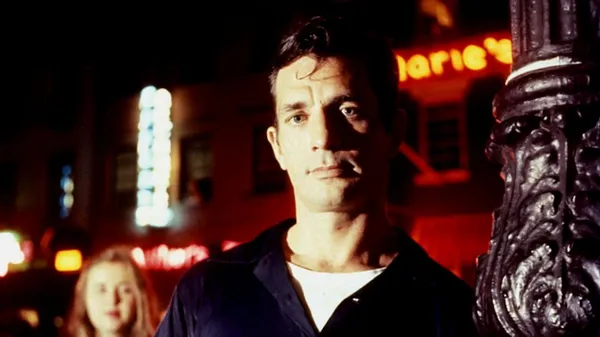

The paradoxical pleasure and problem with hitting the road is that you never quite know where it will take you. The same could be said of the latest documentary from Ebs Burnough, which is ambitious in its attempts to stitch Jack Kerouac’s biography through a patchwork exploration of both cultural and social modern America as related to his seminal book On The Road. The result is often fascinating, thanks to the first-person recollections of Kerouac’s friends and sense of humour of his biographers, while the modern-day stories add an emotional vibrancy – but the very nature of Burnough’s attempts at broad inquiry, means this is sprawling and diffuse.
Beyond the famous names, including 10,000 Maniacs’ Natalie Merchant, Josh Brolin (who asserts the book “changed my life”) and Matt Dillon, we are invited along on three regular road trips. In one, Philly teenager Amir is preparing to hit the highway for college life in Atlanta, in the second Diana is making a “last trip” to see if she can reconnect with her 91-year-old estranged father and a third sees Cuban-born Iraq War veteran Tino and his African American wife Tenaj attempting to reinvigorate their relationship after their children have left home.

Editor Paul Trewartha has tackled sprawling films before, not least Edgar Wright’s The Sparks Brothers, and his work is crucial here. It’s not just key to bringing together the talking heads element of interviewees but in weaving in passages from On The Road itself, read by Michael Imperioli and myriad film clips, from American Honey through to Thelma And Louise.
While highlighting fascinating details about Kerouac, such as the fact his first language was French, and celebrating his impact, this is no hagiography. There is space given to the misogyny present in his work – his female characters were were “women without dimension” as one contributor puts it – as well as discussion of the fact that the women who knew him would have had a much less positive time of it if they would have attempted to hit the road in the America of the period. There is also some exploration of what the Black experience would have been like – with Amir articulating the current challenges many young Black people face, especially in cities like Philadelphia (and for more on that, check out Washington DC-shot documentary 17 Blocks). Comic W. Kamau Bell raises a tantalising thought in this regard about what it might have been like if Kerouac and James Baldwin had hit the road together.
The real-life elements, showing our lust for the road is little dimmed by the passage of time, are a smart idea, but there’s a lot of arcs going on here that are competing for attention and the good old fashioned American documentary tendency to drift towards the unnecessarily sentimental. Nevertheless this is an engaging film that makes an effort not to judge the book, Kerouac, or the fabric of the US simply by its cover.
Reviewed on: 03 Aug 2025


